
What is Lent?
Feb 23, 2026 | By Hannah McAnally - UT Austin
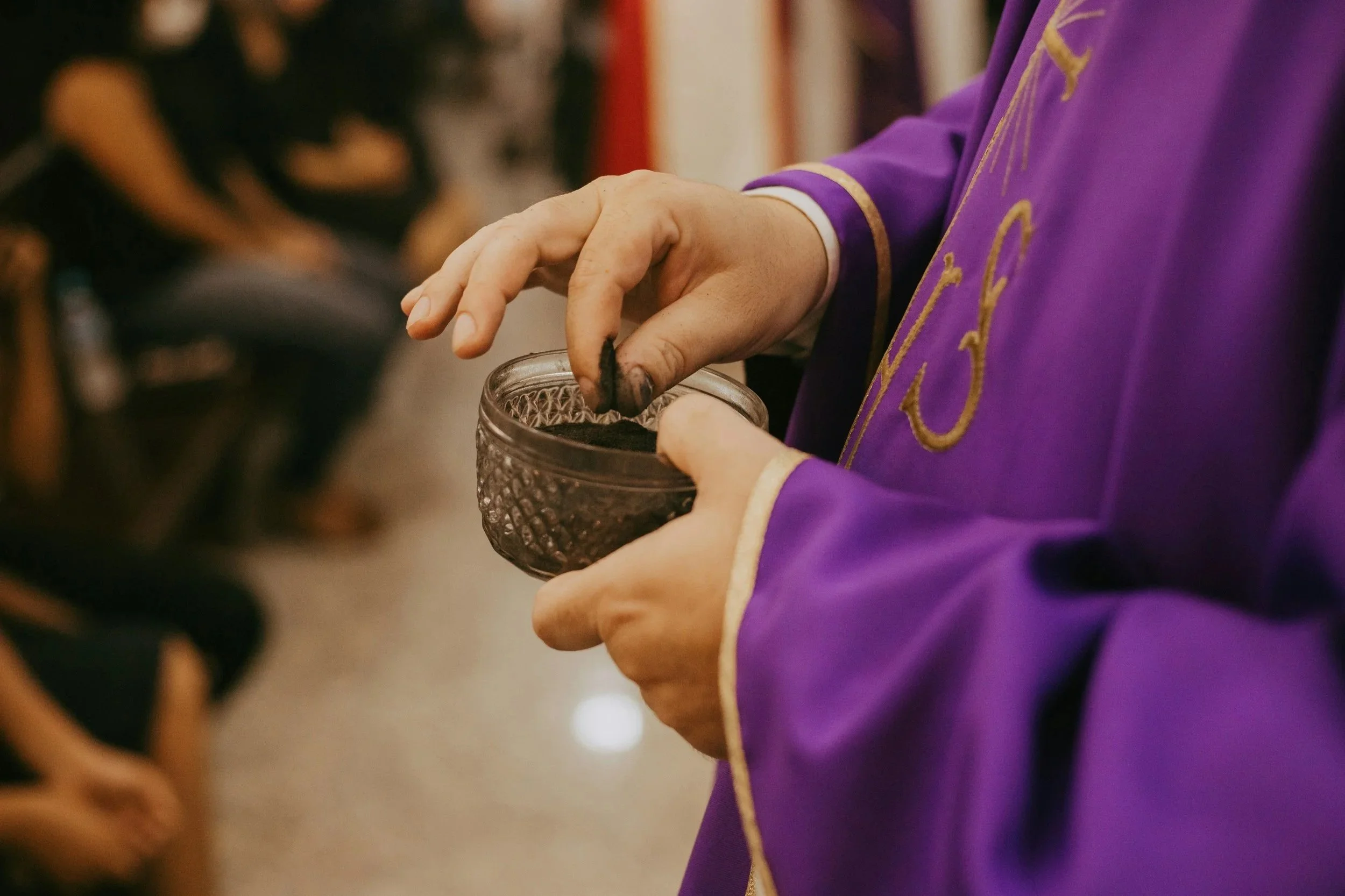
During the season of Lent, people often abstain from certain foods, drinks, or activities. In place of the item, observers use the time to focus more fully on Christ. But what exactly is Lent?
One origin of the word lent is derived from the Anglo-Saxon word ‘lencten,’ which means spring [1]. Another origin of the word is the Germanic word ‘langitinaz,’ meaning long days [2]. Lent occurs in the Spring season and focuses on the renewal of life. Jesus was tempted in the garden for long days. The observance of lent became more widespread after the Council of Nicea in 325 AD, which legalized Christianity. Lent begins on Ash Wednesday and lasts for the 40 days leading up to Easter. It focuses on humility, the awareness of our sin, and repentance for our disobedience. The timeline excludes Sundays because the sombre reflection of Lent fades for the rejoicing in the saving grace of God on Sundays.
The 40 day timeframe harkens back to many biblical stories which establish it as an opportunity to reflect on our need for a Savior and prepare our hearts for his death and resurrection. The most well known story is that of Jesus fasting in the wilderness for 40 days and 40 nights while being tempted by Satan. Jesus deprived His body of food and water to more fully commune with God the Father. In another story, the Lord sent rain and flooded the earth for 40 days and 40 nights while Noah, his family, and the animals survived in the ark. The Israelites wandered the desert for 40 years before reaching the promised land. In each of these, the 40 days (or years) is a time of refinement. It is a time of testing where the individuals had to rely wholly on God to survive circumstances that were out of their control. After learning to trust in the Lord and commune with him on a deeper level, He gives them more than they could ever ask for. The Lord wants to know us. He wants to bless us. However, He will not settle for a distant transactional relationship. I believe that sometimes He allows hardships to draw us back to Himself. He knows that what we truly long for is His love. In the words of St. Augustine. “My heart is restless until it rests in thee.”
A person may choose to give something up in order to focus more time on growing trust and friendship with the Lord. Traditionally, people fasted from meat and animal products, except fish. Nowadays, people commonly fast from sugar, caffeine, social media, or meat. The sacrifice of comfort allows us to draw closer to Christ because we are echoing his painful path. Whatever a person decides to give up is meant to allow for more time in prayer and reading the Word. By observing Lent, we enter into a spiritual springtime of renewing our hearts through sacrifice and reflection. We follow in the footsteps of Jesus’ 40 days in the desert to grow our reliance on God. The gift of Lent is a time to pause our busy lives and refine our relationship with the Lord.
On a more personal note, I plan to give up social media. I have noticed how easily I fill my time with the distraction of scrolling. Instead of using that time to be productive in schoolwork or steadfast in prayer, I let time slip by. I think about the reels I absorbed. I compare myself to the people I observe. I plan to use this transferred time to read the Word, reflect on ways the Lord is working in and around me, and be productive in my tasks. My hope for you is that you will draw closer to Lord this Lent season and open your eyes to the ways He is working in your life.
[1] Pruitt, Sarah. “Lent: Origin, 2026 Dates & Fasting Rules.” History.Com, A&E Television Networks, 13 Feb. 2026, www.history.com/articles/lent-history.
[2] “Lent - Etymology, Origin & Meaning.” Etymonline, www.etymonline.com/word/Lent. Accessed 19 Feb. 2026.